Meal prep for athletes is one of the most effective ways to make sure your nutrition is actually working for you, not against you. You train hard, but if you’re running on empty, skipping meals, or just grabbing whatever’s easy between practice, work, and everything else on your plate (pun intended), that hard work only goes so far.
If you’ve ever found yourself standing in front of the fridge at 9 pm with no idea what to eat, or relying on whatever’s fastest because you didn’t plan, you’re not alone. This is one of the most common things I hear from athletes and active people I work with.
The good news? Meal prep doesn’t have to mean cooking five days of identical meals in plastic containers (unless that’s your thing, no judgment). It just means having a plan, so your body gets what it needs to train, recover, and feel good, without the daily scramble.
Let’s talk about why meal prep matters for athletes, how to actually do it without it taking over your life, and some easy meal prep ideas you can start using this week. And if you want a done-for-you starting point, grab our free meal prep guide for athletes here.
Why Meal Prep Matters for Athletes
As an athlete, your body has higher demands than someone who isn’t training regularly. You need enough energy (calories) to fuel your sessions, support recovery, and maintain all the basic functions that keep you healthy, on top of everything your training adds on.
When meals are an afterthought, a few things tend to happen:
- You undereat during the day and then overeat at night because you’re starving
- You skip meals around training, which affects both performance and recovery
- You reach for whatever’s convenient, which often means less of the nutrients that your body actually needs.
Meal prep helps close that gap. It’s not about being rigid or perfect; it’s about reducing daily decision fatigue so that fueling well becomes the easy choice rather than the hard one.
This ties into the idea of performance plates, a simple way to build balanced meals around your training. When you have a plan and some prepped components ready to go, building a performance plate takes minutes instead of feeling like a project.
How to Meal Prep for Athletes, Step by Step
If meal prepping feels overwhelming, start small. You don’t need to overhaul your whole week overnight.
1. Plan around your training schedule
Before you think about food, look at your week. When are your hardest training days? When do you have back-to-back commitments with little time to eat? Your meal plan should work around your schedule, not the other way around.
2. Make a simple grocery list
Once you know your week, build your grocery shopping list around a few core proteins, carbs, and produce items you can mix and match. You don’t need a long list of exotic ingredients. A few versatile staples go a long way.
3. Batch cook your proteins
Cooking a big batch of chicken breasts, ground turkey, or another protein source at the start of the week means you always have a base ready to build a meal around. This alone can save you a ton of time.
4. Build a mix-and-match system
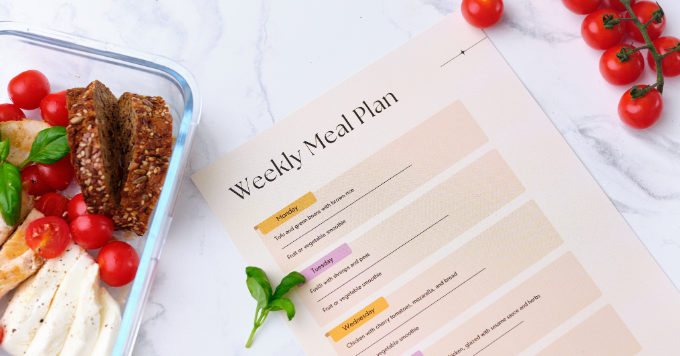
Instead of planning out exact meals for every single day, prep components, proteins, grains, veggies, and sauces, and let yourself mix and match based on what sounds good and what you have time for. This is exactly the kind of system we walk through in our free meal prep guide, with ready-to-go meal ideas for breakfast, lunch, and dinner.
Easy Meal Prep Ideas for Athletes
Here are some go-to meal prep ideas that come up often with the athletes I work with. None of these require advanced cooking skills, just a little planning.
Breakfast
- Overnight oats: Combine oats, milk (dairy or non-dairy), Greek yogurt, and chia seeds in a jar the night before. In the morning, top with berries and you’ve got a protein and fiber-rich breakfast ready to go. Add a scoop of protein powder or nut butter to boost the protein content even more.
- Greek yogurt parfaits: Layer Greek yogurt, berries, granola and a chia seeds for a quick grab-and-go option. Make several jars at once and store them in the fridge for easy mornings all week.
- Egg muffins: Whisk eggs with diced veggies, cheese, and your choice of protein, pour into a muffin tin, and bake. These store well in the fridge for 4–5 days and reheat in minutes. Pair with a fruit and you’re golden!
- Smoothie packs: Portion out frozen fruit, spinach, and protein powder into individual bags or containers. In the morning, just dump a pack into the blender with milk or Greek yogurt and go. I also love to throw in some oatmeal to help meet my carbohydrate needs when training.
- Breakfast burritos: Scramble eggs with black beans, veggies, and cheese, wrap in a tortilla, and freeze individually. A quick microwave reheat and breakfast is done.
Lunch
- Chicken and sweet potato bowls: Batch-cooked chicken breasts, roasted sweet potato, and a mix of veggies make a simple, balanced bowl you can customize with different sauces throughout the week.
- Grain bowls: Swap in rice or quinoa as your base, add your prepped protein, roasted or raw veggies, and a sauce or dressing for variety. One grain, one protein, one veggie, one sauce.
- Turkey and veggie wraps: Use prepped ground turkey or sliced chicken breasts, load up a wrap with veggies and hummus, and roll it up. Easy to grab between training and class or work. Pair with a side like pretzels or fruit and you’re good to go!
- Mason jar salads: Layer dressing on the bottom, then hearty veggies, grains, protein, and greens on top. Shake when ready to eat. These hold up well for 3–4 days in the fridge.
- Lentil or bean soups: A big batch of soup covers multiple lunches and freezes well. High in protein, fiber, and carbohydrates, making it a solid recovery meal.
Dinner
- Sheet pan meals: Toss chicken breasts or salmon with sweet potato, broccoli, and olive oil on a sheet pan and roast everything together. Minimal cleanup, maximum efficiency.
- Stir fry with rice: Cook a large batch of rice at the start of the week and pair it with a quick stir fry of protein and veggies throughout the week. Switch up the sauce to keep it interesting.
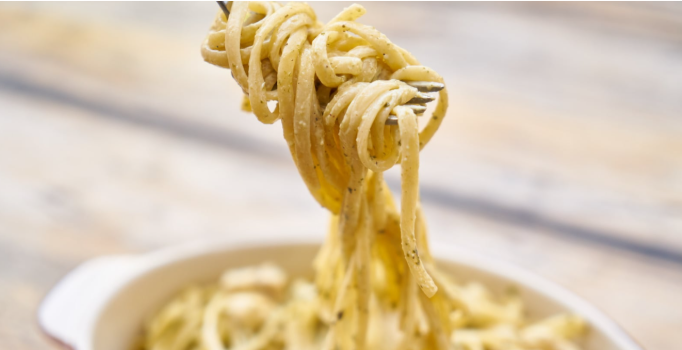
- Pasta with ground turkey and marinara: A simple, high-carb dinner that’s easy to scale up and reheat throughout the week. Great for nights before harder training days.
- Taco bowls: Season ground turkey or beef, prep rice and black beans, and set up a build-your-own bowl system with toppings like salsa, Greek yogurt (in place of sour cream), and veggies.
- Salmon with roasted veggies and quinoa: A nutrient-dense dinner that covers protein, healthy fats, and carbohydrates in one meal. Roast a big tray of veggies while the salmon cooks.
Snacks
- Greek yogurt with berries and a drizzle of honey
- A handful of nuts and dried fruit
- Chia pudding made with milk and topped with fresh fruit
- Rice cakes with nut butter and banana
- Hard boiled eggs with fruit
- Cottage cheese with berries or sliced veggies
- A protein bar or homemade energy balls for on-the-go days
These meals are simple by design so you can have enough prepped for the week while still having time to enjoy your weekend.
Note: if you’re training for a race or have a very active week ahead, you’ll want to bump up the carbs in your snacks to match your output.
What Should Athletes Eat Before and After Training?
This is one of the most common questions I get, and it matters just as much as your day-to-day meal prep.
Before training
You don’t need a huge meal right before you train, but you do need fuel. A combination of carbohydrates with some protein, eaten about one to three hours before training, helps top off your energy stores without weighing you down. Think oatmeal with fruit, a sandwich, or a with Greek yogurt. If you want an extra boost, a small carbohydrate snack 30–60 minutes before training, like a banana, a few crackers, or an energy gel, can help top off your energy stores right before you go.
After training
Post-training is your recovery window. Pairing protein with carbohydrates helps replenish what your body used during training and supports muscle repair. Research suggests 20 to 40 grams of protein post-exercise is ideal, though studies show the strict “30-minute window” matters less than we once thought, so don’t stress if you can’t eat right away. This could be as simple as a protein shake with fruit, or a full meal if it’s close to a regular mealtime.
If you need help understanding what types of macronutrients are most appropriate for you, working with a Registered Dietitian is a great way to decide the best plan for your training and goals.
Meal Prep for Different Goals
Meal prep isn’t one-size-fits-all, and what you’re prepping for can shift depending on your goals.
If you’re working toward gaining muscle, your meal plan likely needs more total food, with an emphasis on protein at each meal (research generally points to somewhere in the 1.6 to 2.2 grams per kilogram of body weight range for muscle gain) and enough carbohydrates to fuel your training., your meal plan likely needs more total food, with an emphasis on protein at each meal and enough carbohydrates to fuel your training.
If your goal involves weight loss, meal prep can actually be one of your best tools. Having balanced, portioned meals ready to go helps prevent the kind of last-minute eating that often leads to overeating.
If you’re trying to gain weight, prepping calorie-dense additions like nut butters, granola, dried fruit, and healthy oils alongside your usual meals makes it easier to hit higher energy needs without feeling like you’re forcing down extra food.
In all of these cases, the foundation is the same: a plan that takes the guesswork out of your week, then adjusted for your individual needs. This is exactly the kind of personalized approach we work through in 1:1 coaching.
Meal Prep Tips for the Busy Athlete
If you’re a student athlete juggling school, training, and a social life, or an adult athlete balancing work and training, time is probably your biggest barrier. A few tips that help:
- Prep in batches, not individual meals. Cook components, not complete dishes, so you have flexibility throughout the week.
- Use your slower days wisely. Even an hour on a lighter training day can set you up for a much smoother week.
- Keep a rotation of go-to meals. You don’t need new recipes every week. A handful of reliable meal ideas you can repeat takes a lot of the planning work off your plate.
- Don’t aim for perfection. Some weeks will be easier to prep for than others, and that’s okay. The goal is consistency over time, not a perfect system every single week.
Where to Go From Here
Meal prep for athletes doesn’t have to be complicated, and it definitely doesn’t have to take over your life. With a little planning around your training schedule, a solid grocery list, and a flexible mix-and-match system, you can take a lot of the stress out of fueling your week.
And if you’re looking for more personalized support with your nutrition and training, we’d love to chat. Sign up for a discovery call here to learn more about 1:1 coaching.
At BeFueled, we offer a free meal prep guide for athletes. It includes performance plates matched to your training intensity, ready-to-go meal ideas for breakfast, lunch, and dinner, pre- and post-workout snacks, and the same mix-and-match system we talked about here, so you’re never starting from scratch.
Meal Prep for Athletes FAQs
How to meal prep for athletes?
Start by looking at your week and planning around your training schedule. Build a simple grocery list around a few core proteins, carbs, and produce items. Then batch cook your proteins, grains, and veggies so you have components ready to mix and match throughout the week. You don’t need to prep every single meal. Having a few staples ready to go makes fueling well the easy choice, even on your busiest days.
How often should athletes eat?
Most active people do best eating every three to four hours throughout the day. This helps keep energy levels consistent and supports better recovery between training sessions. Rather than going long stretches without food and then eating a large meal, spreading intake across the day keeps your body fueled and ready to perform.
One thing I often see with athletes is undereating because they’re not hungry. As an athlete, sometimes you have to eat even if you aren’t overly hungry to ensure your body is being adequately fueled.
What do athletes eat before and after training?
Before training, aim for a combination of carbohydrates and protein about one to three hours out. Think oatmeal with fruit, a sandwich, or a smoothie with Greek yogurt. After training, pair protein with carbohydrates to replenish energy stores and support muscle repair. A protein shake with fruit or a full meal works well depending on timing.
What are high protein meal prep ideas for muscle gain?
Focus on building each meal around a quality protein source like chicken breasts, lean beef, ground turkey, eggs, Greek yogurt, or salmon. Aim to include protein at every meal and snack. Overnight oats with Greek yogurt and chia seeds, egg muffins, chicken and sweet potato bowls, and taco bowls with ground turkey are all solid options that are easy to prep in bulk.
What is the best thing to eat the night before a race or competition?
Stick to familiar foods you know sit well with your stomach. A carbohydrate-rich dinner with a moderate amount of protein is a good starting point. Think pasta with ground turkey and marinara, rice with chicken, or a baked potato with protein on the side. Avoid high-fat, high-fiber, or new foods the night before, as these can cause digestive issues on competition day.
If you’re racing longer than 90 minutes, the night-before meal is just the last piece of the puzzle. You’ll want to consider a 1-3 day carb load leading in. Read more on carb loading here.
Ready to get started? Download our free meal prep guide for athletes. It includes performance plates matched to your training intensity, ready-to-go meal ideas for breakfast, lunch, and dinner, pre- and post-workout snacks, and the same mix-and-match system we talked about here, so you’re never starting from scratch.